


-

Add: HeBei ShengShi HongBang Cellulose Technology CO.,LTD.
-

Email
13180486930@163.com -

CONTACT US
+86 13180486930

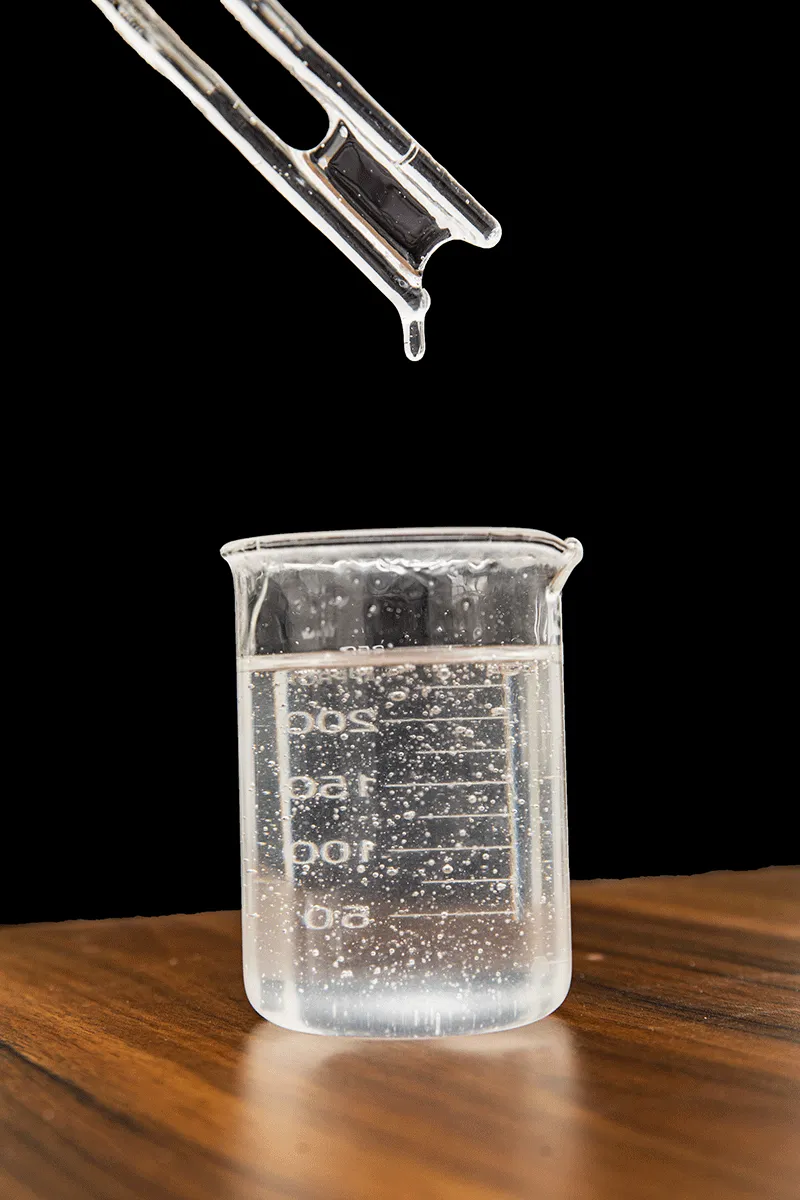


Hydroxypropyl Methylcellulose, commonly referred to as HPMC, is a multi-faceted cellulose-based polymer that’s extensively utilized across a multitude of industries. When speaking specifically about HPMC K4M, it references a grade of HPMC that appears prominently in several sectors, notably pharmaceuticals, food, construction, and cosmetics. The “K4M” designation speaks to the viscosity measurement—it is an integral feature that defines its application capabilities and functional advantages. Within pharmaceuticals, HPMC K4M stands as a pillar due to its controlled release capabilities, making it indispensable in formulating sustained-release drugs. As a viscosity agent, it retards the dissolution rate of drugs, offering a way to manage dosage releases over extended periods. Experience within this realm underscores its stability and efficiency. Researchers and formulators appreciate HPMC K4M's ability to maintain stable drug release profiles, even under extreme environmental conditions, thus qualifying it as a reliable excipient. Its inherent degree of consistency in pharmaceutical applications ensures patients benefit from trusted medication performance, marrying both expertise and trustworthiness in pharmaceutical engineering. In the construction industry, HPMC K4M serves as an essential additive for tile adhesives and plaster. Its expertise is demonstrated through its abilities as a thickening agent; it imparts crucial water retention and workability to cement mixes. Construction professionals frequently cite HPMC K4M's influence on consistency during application, ensuring even distribution of materials with reduced risk of cracking or shrinkage. This attribute reflects the authoritativeness of HPMC K4M in construction, triangulated by decades of field application that underline how fundamental it is for creating robust, durable surfaces. The food industry leverages HPMC K4M for its stabilizing and emulsifying properties . It offers culinary solutions, particularly in maintaining the integrity of sauces, dressings, and toppings. As a food additive, it provides a sense of trust for manufacturers aiming to achieve specific textures or moisture levels without compromising on quality or safety. Expertise in food science continually validates HPMC K4M due to its non-toxic, non-allergenic nature, effectively demonstrating its aptitude in satisfying industry standards related to consumer health and safety. hpmc k4m full form In cosmetology, HPMC K4M's role as a thickening, emulsifying, and stabilizing agent cannot be overemphasized. Cosmetic formulations reliant on moisturizing solutions frequently include HPMC K4M for its consistent performance in product stability and texture, enhancing user experience. This agent's inclusion transforms ordinary skincare items into luxurious applications with consistent texture and spreadability, fostering consumer trust through reliable product performance. Thus, with an established reputation throughout various industries, HPMC K4M's contributions are multi-dimensional—ranging from the pharmaceutical sector's demand for precision and control to construction's need for material stability, the culinary arts' quest for consistent quality, and the cosmetic industry's innovation for texture and feel. It is precisely its adaptability and proven reliability that affirm HPMC K4M's position as a product derived from decades of expertise and experience. The momentous role of HPMC K4M as an industry staple underscores not just its versatility, but also its foundational reliability meticulously crafted through precise scientific engineering and comprehensive application studies. Informed stakeholders consistently rely on this particular grade of HPMC, evidenced by its longstanding integration into myriad applications where tensile reliability and performance trust are not merely advantageous, but essential. In crafting solutions where longevity, efficiency, and safety intersect, HPMC K4M emerges as a pivotal component deservedly respected across sectors. Each instance of its application points toward an undeniable synergy between innovative material science and practical industry demands, cementing its perpetuity as both a modern marvel and a future-oriented choice in material augmentation.
- 40000tons

Production
- 20+years

Experience
- 5000+㎡

Acreage

-
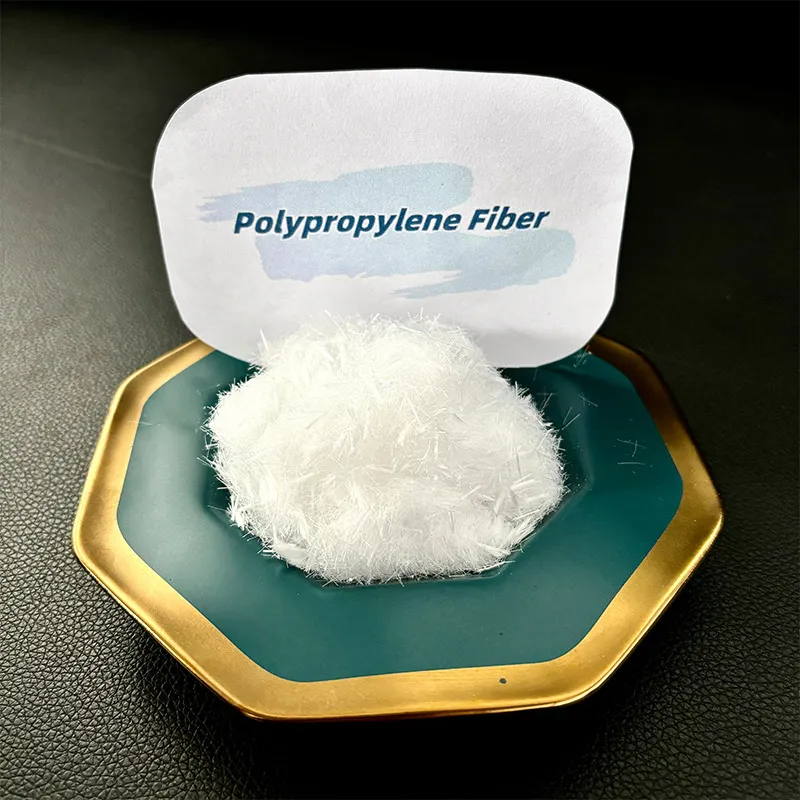
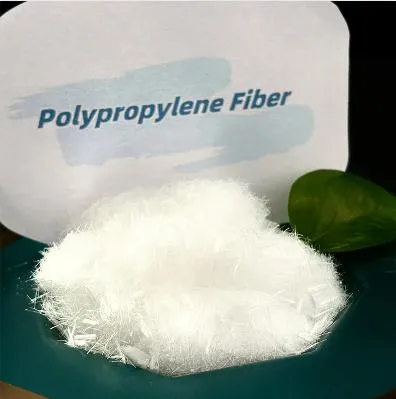
Polypropylene fiber is an innovative material that significantly enhances the performance characteristics of concrete and mortar, making it an essential component in modern construction applications. As a premier supplier, HeBei ShengShi HongBang delivers premium-grade polypropylene fibers that meet rigorous international standards for strength, durability, and performance optimization. Technical Specifications of Premium Polypropylene Fibers Parameter Standard Value Test Method Performance Benefit Fiber Length 3-20 mm ASTM D2130 Crack control optimization Diameter 18-45 microns ISO 1888 Optimal reinforcement distribution Tensile Strength 400-750 MPa ASTM D2101 Structural reinforcement Elastic Modulus 3.5-10 GPa ISO 527 Flexural strength enhancement Melting Point 160-170°C ASTM D7138 Heat resistance Density 0.91 g/cm³ ISO 1183 Ease of mixing Alkali Resistance >95% ASTM C1116 Concrete matrix longevity Dosage Rate 0.6-1.8 kg/m³ ACI 544 Plastic shrinkage reduction Industry Applications & Technical Advantages Concrete Reinforcement Our pp fiber products reduce crack formation by up to 85% while improving impact resistance by 150% (ACI Materials Journal). Mortar Enhancement Microfiber synthetic additives decrease permeability and improve freeze-thaw durability in mortar applications. Pavement Construction Integrating polypropylene fibre extends road lifespan by minimizing reflective cracking (Journal of Materials in Civil Engineering). Industrial Flooring Our fibers increase abrasion resistance and eliminate joint spacing limitations in warehouse slabs. Performance Analysis of Polypropylene Fibers Comparative strength development in fiber-reinforced concrete Surface durability under abrasion testing cycles (ASTM C944) Global market growth projections for synthetic fibers (2024-2030) Technical FAQ: Polypropylene Fiber Applications What fiber length provides optimal crack control? For most concrete applications, 12mm fibers demonstrate optimal performance with uniform dispersion and maximum crack-bridging capability according to RILEM technical recommendations. For spray applications, 6mm microfibers are preferred. How does aspect ratio affect reinforcement? Aspect ratio (length/diameter) directly influences bonding strength. We manufacture fibers with 200-500 ratios ideal for different mix designs. Higher ratios increase tensile strength but require careful mixing procedures. What polymer grade is suitable for aggressive environments? Our chemically-modified homopolymer fibers with pH stability from 1-13 withstand harsh chemical exposure exceeding 20 years according to ASTM C666 freeze-thaw certification. How does dosage affect compressive strength? Optimal dosages between 0.9-1.2kg/m³ increase compressive strength 15-20% as documented in ACI 544.3R reports. Higher dosages improve toughness but may slightly decrease workability. What surface treatments enhance bonding? Our proprietary hydrophilic coating improves fiber-matrix bond strength by 30% compared to untreated fibers (CTLGroup testing). This treatment also reduces mixing time. How do synthetic fibers compare to steel reinforcement? While steel provides primary reinforcement, polypropylene fiber offers secondary reinforcement with superior crack control, corrosion resistance, and freeze-thaw protection at 1/10 the material cost. What certifications does your production meet? Our manufacturing facility is ISO 9001:2015 certified with individual products meeting ASTM C1116, EN 14889-2, and JIS A6204 standards for consistent quality assurance. Industry Recognition & Technical Validation "Recent studies confirm that properly engineered polypropylene fibers can extend concrete service life by 40-60% by effectively controlling microcrack formation during critical curing stages." - International Journal of Concrete Structures and Materials Additional Technical References: "Performance Evaluation of Synthetic Fiber Reinforced Concrete" - American Concrete Institute ( www.concrete.org ) "Global Fiber Market Analysis 2023" - Fiber Cement Composite Research Council ( fibercomposites.org ) "Durability Enhancements through Microfibers" - Journal of Building Materials Science ( jbms.build ) "Comparative Analysis of Fiber Reinforcements" - Materials and Structures Journal ( matsstruct.springer.com ) "Advanced Production Techniques for PP Fibers" - International Fiber Association ( globalfibers.org ) Request Your Technical Sample Package Experience the ShengShi HongBang difference in our premium polypropylene fiber products engineered for superior performance. Contact Our Engineering Team Call: +86 13180486930 Email: 13180486930@163.com
-
In the fast-evolving construction industry, innovations drive improvements in durability, workability, and efficiency. Hydroxypropyl methylcellulose (HPMC) has emerged as a critical component in these advancements, particularly in coatings and cementitious materials. This versatile additive enhances product performance and plays a pivotal role in meeting modern construction demands. Revolutionizing Coatings with Hydroxypropyl Methylcellulose Coatings are fundamental to construction, providing both aesthetic appeal and functional protection. Hydroxypropyl methylcellulose is an essential ingredient in coatings, improving their consistency and performance. As a thickening and stabilizing agent, hydroxypropyl methylcellulose ensures uniform pigment dispersion, creating smooth and flawless finishes. This is particularly beneficial in high-quality wall coatings, where even texture and sheen are paramount. The addition of HPMC significantly enhances the viscosity of coatings, preventing dripping and sagging during application, which results in cleaner, more precise work. Moreover, hydroxypropyl methylcellulose provides superior film-forming properties, making coatings more resistant to abrasion, cracking, and peeling. These qualities contribute to long-lasting protection of surfaces, even in harsh environmental conditions. Partnering with a trusted hydroxypropylmethylcellulose supplier is key to accessing the highest quality products for your coating solutions. Hydroxypropyl Methylcellulose : Significant Improvements in Building Materials When hydroxypropyl methylcellulose is introduced to building materials, the enhancements are striking. This remarkable additive optimizes the behavior and performance of mortars, renders, and wall putties, meeting the growing demand for reliable, high-quality construction materials. One notable improvement is enhanced adhesion. Wall putty formulated with hydroxypropyl methylcellulose adheres more effectively to surfaces, reducing the likelihood of detachment or cracks over time. Additionally, the product boosts workability, ensuring materials spread and apply easily without compromising structural integrity. In terms of strength and durability, hydroxypropyl methylcellulose in wall putty helps create stable mixtures that resist deformation and maintain longevity, even in fluctuating temperatures and humidity levels. These benefits translate to better performance and long-term value for both builders and end-users. Hydroxypropyl Methylcellulose : Optimizing Cement Slurry with Fluidity and Water Retention Fluidity and water retention are critical factors in the performance of cement slurries. Hydroxypropyl methylcellulose plays a crucial role in balancing these properties to achieve optimal results. Thanks to its water-retention capabilities, hydroxypropyl methylcellulose ensures that cement slurries remain moist for extended periods, allowing sufficient hydration of cement particles. This leads to improved curing and greater strength development in the finished material. Contractors can rely on HPMC to extend working times, providing flexibility during installation and minimizing material waste. The fluidity of cement slurry is another area where hydroxypropyl methylcellulose excels. By improving the viscosity and cohesiveness of the mixture, it reduces the risk of segregation and enhances pumpability, especially in large-scale projects. This is why many construction professionals choose to buy hydroxypropyl methylcellulose to achieve better results with their cementitious formulations. Partner with a Leading Hydroxypropylmethylcellulose Supplier The advantages of hydroxypropyl methylcellulose can only be fully realized with a reliable supply of high-quality material. Collaborating with an experienced hydroxypropylmethylcellulose supplier ensures consistent product quality and the support needed to address specific application requirements. By sourcing from trusted suppliers, you gain access to premium-grade HPMC, tailored to meet the unique demands of your project. Whether you’re formulating coatings, wall putty, or advanced cementitious materials, a reliable supplier helps you unlock the full potential of hydroxypropyl methylcellulose for your construction needs. Hydroxypropyl Methylcellulose : Building a Future of Efficiency and Innovation The influence of hydroxypropyl methylcellulose on modern construction is undeniable. From improving the aesthetic and functional properties of coatings to enhancing the durability and performance of building materials, this additive is transforming the industry. As sustainability and efficiency become central to construction, the adoption of hydroxypropyl methylcellulose will continue to grow. Builders and manufacturers are encouraged to embrace this game-changing material and trust its ability to meet the highest standards of quality, versatility, and reliability. Choose hydroxypropyl methylcellulose today to elevate your construction projects and experience unparalleled benefits. By working with a dependable hydroxypropylmethylcellulose supplier , you’re investing in excellence, innovation, and the future of the construction industry.
advantages
-

200000 Viscosities
Excellent product
We can produce pure products up to 200,000 viscosities
-

40000 tons
High yield
We don’t stop production all year round, and the annual output can reach 40,000 tons
-

24 hours
Quality service
We provide 24-hours online reception service, welcome to consult at any time
———— Inquiry Form
Schedule A services
-
 redispersible_polymer_powder_manufacturers
Oct . 25, 2025
In the pursuit of sustainable and renewable materials, few substances hold as much promise as fibre -
 serat_xilem
Oct . 25, 2025
Hydroxypropyl methylcellulose 2208 , a highly versatile compound, stands at the forefront of numerou -
 hpmc_k100m
Oct . 25, 2025
Hydroxypropyl distarch phosphate (HDP) is an essential modified starch used across a variety of indu


